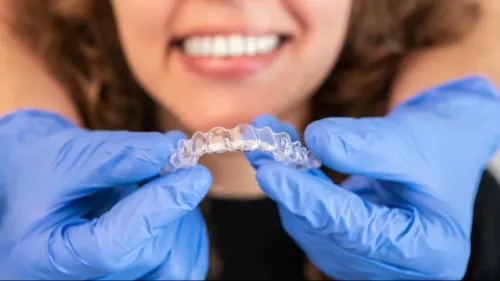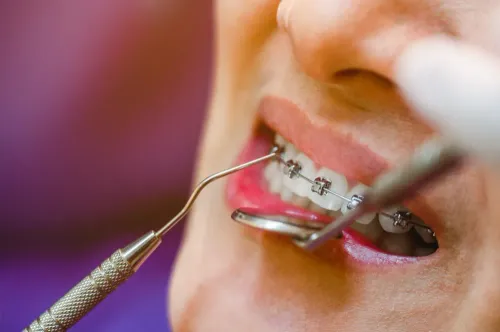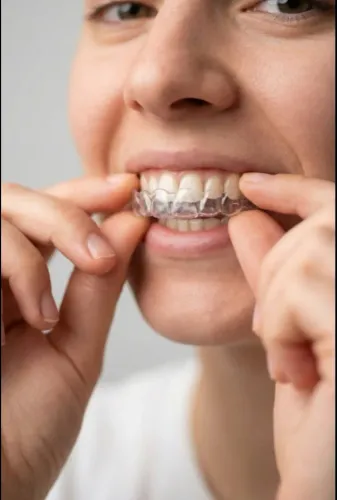
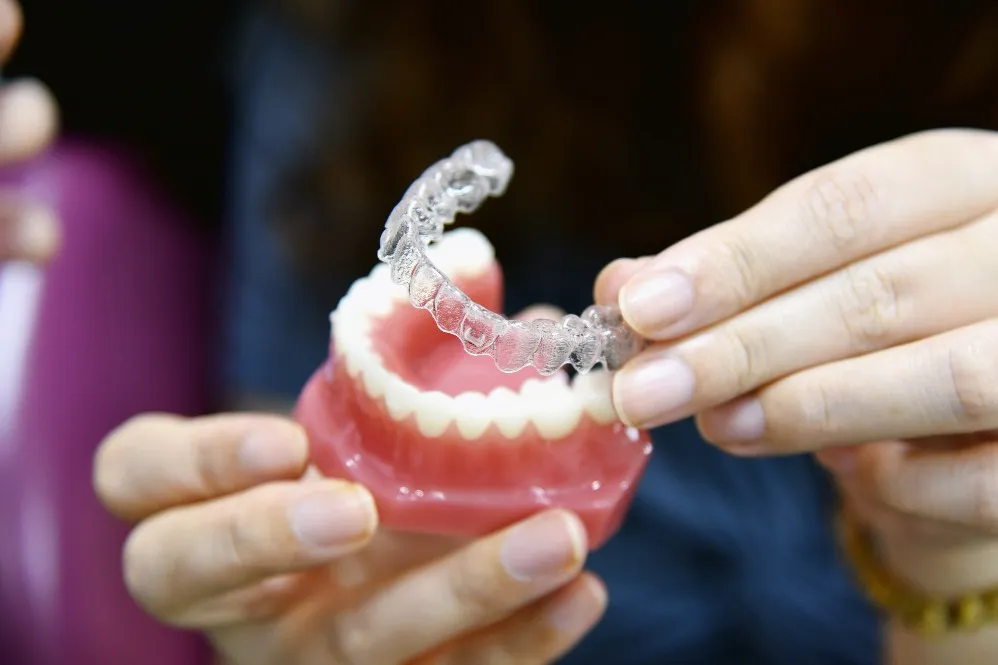
The appeal of invisible orthodontics is easy to understand. Many people want straighter teeth without making their orthodontic treatment an obvious part of everyday appearance.
Clear aligners can provide a discreet option, but choosing treatment involves much more than selecting transparent trays. Patients in Thane should understand how the case will be assessed, planned and monitored.
Check Whether Your Case Has Been Properly Assessed
Orthodontic treatment should begin with diagnosis.
The provider should evaluate tooth positions, bite relationships and oral health before deciding whether clear aligners are appropriate.
Depending on individual requirements, records can include scans, photographs and relevant imaging.
Ask How Treatment Is Planned
Clear aligners do not straighten teeth simply because trays fit over them. Each stage needs to correspond to intended tooth movements.
Oroshine Aligners and Implants operates in this digitally planned aligner space, manufacturing solutions intended to support staged alignment treatment.
Patients should understand what their proposed plan is trying to correct rather than focusing only on how many trays they will receive.
Understand Monitoring
Orthodontic treatment can require progress reviews.
Teeth may not always respond exactly as initially anticipated, and the treating dental professional may need to assess whether treatment is progressing appropriately.
Ask how frequently progress is expected to be reviewed and what happens if adjustments are required.
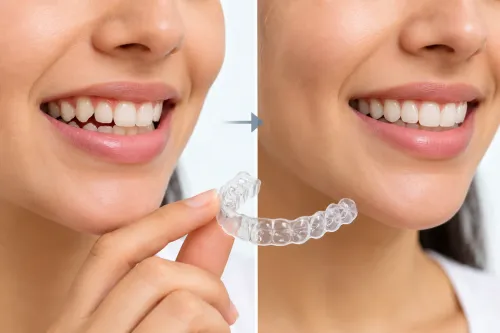
Look Beyond Before-and-After Images
Images can help demonstrate the type of treatment a provider handles, but they cannot tell you whether your case is clinically similar.
A more useful provider-selection checklist includes:
- Appropriate dental assessment
- Clear explanation of the bite condition
- Individual treatment planning
- Transparent discussion of limitations
- Guidance on aligner wear
- Progress monitoring
- Retention planning
Be Cautious About Guarantees
Orthodontic outcomes depend on biological response, case complexity, treatment planning and patient cooperation.
Statements promising identical outcomes for everyone should therefore be treated cautiously.
For patients searching across Thane and Maharashtra, a trustworthy discussion should include what treatment can reasonably aim to achieve as well as any relevant limitations.
Invisible orthodontics can offer an attractive combination of discretion and removability for suitable patients. The quality of the experience, however, depends on much more than how invisible the appliance looks. Proper assessment, carefully planned tooth movement and appropriate professional supervision should remain central to the decision.
Keywords