

Many adults plus teenagers want straighter teeth but hesitate at the thought of conventional fixed braces. This has increased interest in teeth straightening without braces, particularly through removable clear aligner systems.
Clear aligners can provide an alternative to fixed orthodontic appliances for suitable cases. Understanding their possibilities plus limitations helps patients develop realistic expectations before treatment.
What Does “Without Braces” Actually Mean?
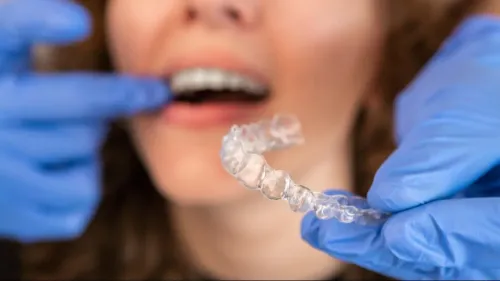
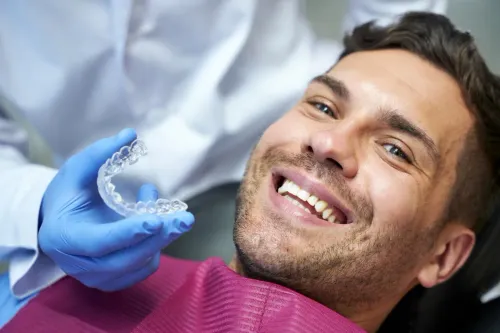
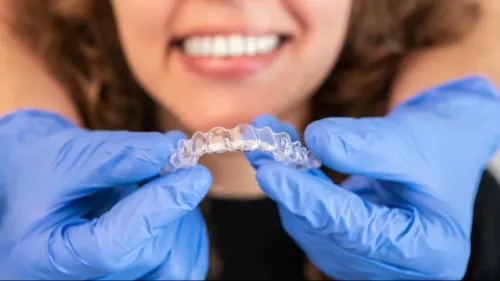
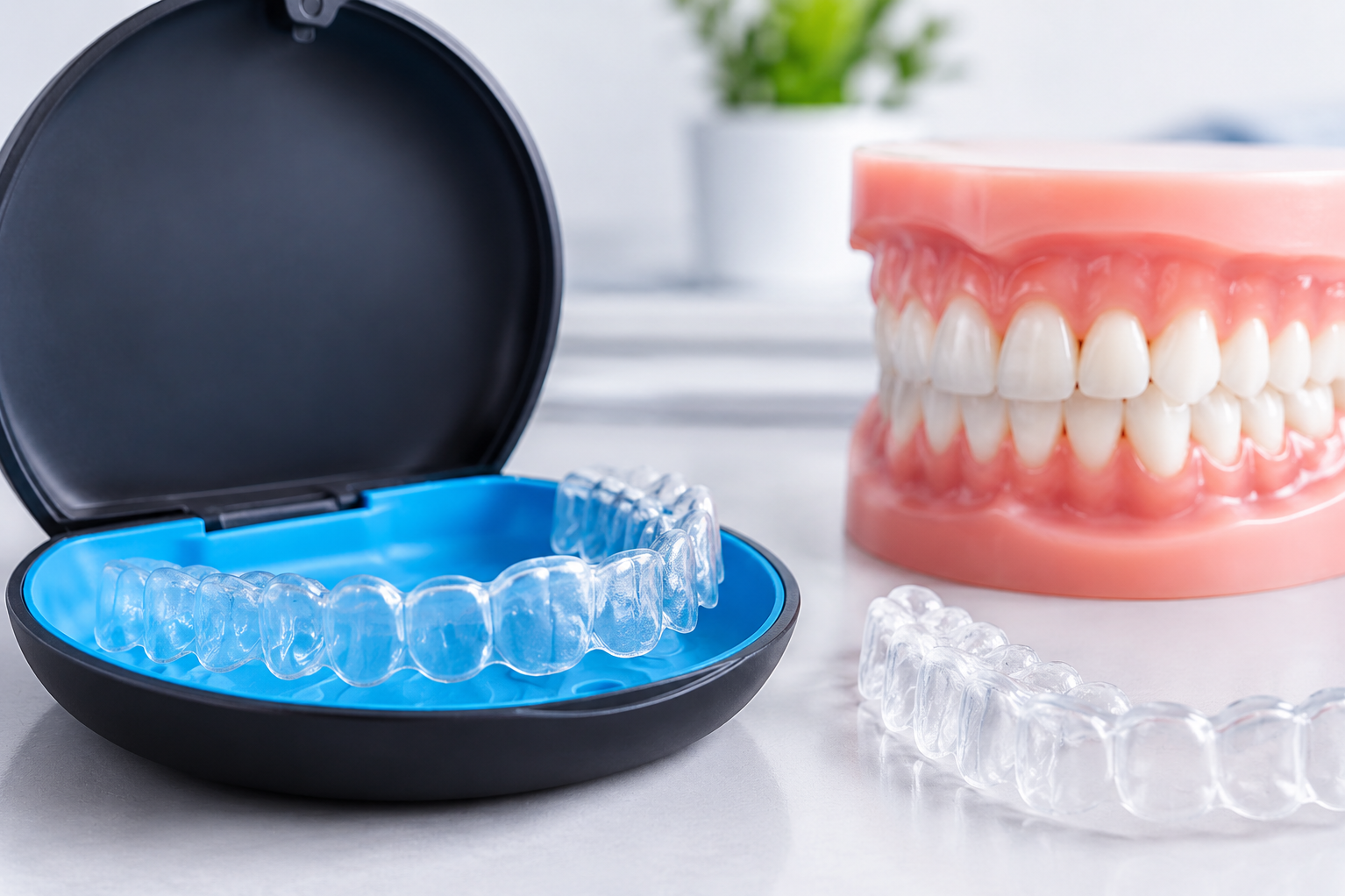
Clear aligner therapy uses custom-made removable trays instead of conventional brackets connected by orthodontic wires.
Patients move through a prescribed series of aligners. Each stage is intended to guide selected teeth toward planned positions.
Because the trays are transparent, they can be much less conspicuous during work, college, social occasions plus everyday conversations.
They are removable as well, but treatment still requires regular wear according to professional instructions.
Which Teeth Can Potentially Be Straightened?
Aligners may be considered for several common concerns, including:
- Crowded front teeth
- Small spaces between teeth
- Mild tooth rotations
- Relapse following previous orthodontic care
- Certain bite irregularities
- General cosmetic alignment concerns
The important question is not simply whether a tooth looks crooked. The dentist must determine how the tooth needs to move, whether adequate space exists plus how that movement affects the overall bite.
Why an Assessment Comes Before the Trays
A digital scan may make aligner treatment look simple, but orthodontics involves biological tooth movement.
Before treatment, the provider needs to evaluate dental health plus supporting tissues. Teeth with active decay, significant gum problems or other untreated concerns may require care first.
Diagnostic records can also reveal issues that are not obvious from a selfie or mirror examination.
For this reason, purchasing trays based only on visible tooth alignment may overlook important clinical factors.
What Makes Clear Aligners Convenient?
For suitable patients, the removable format offers several practical advantages.
Meals usually do not require eating around fixed brackets. Patients can remove the aligners, eat, clean their teeth plus replace the trays.
Brushing plus flossing also remain relatively familiar because there are no permanently attached wires covering the tooth surfaces.
Clear aligners may suit people who frequently meet clients, attend presentations, study in college or simply prefer a discreet orthodontic appliance.
Convenience, however, should not be confused with effort-free treatment.
Consistency Matters
Clear aligners only work while they are being worn.
A patient who repeatedly removes the trays for long periods may experience slower or less predictable progress. Aligners should therefore be treated as an active orthodontic appliance rather than an occasional cosmetic accessory.
Review appointments are also important. The provider needs to confirm that tooth movement is progressing according to the plan.
Sometimes modifications, additional aligners or other clinical measures may be necessary.
What Happens Once Teeth Are Straight?
Retention is a crucial part of orthodontic care.
After active movement is completed, retainers are commonly prescribed to help maintain the new tooth positions. Without appropriate retention, teeth can gradually shift.
Patients should therefore ask about the retention phase before beginning treatment rather than treating it as an afterthought.
For people considering teeth straightening without braces in Thane, Maharashtra, professional assessment is the safest starting point. Oroshine Aligners and Implants can evaluate crowding, spacing plus bite relationships before recommending an appropriate orthodontic approach.
Clear aligners have made discreet teeth straightening possible for many suitable patients. The key is to match the treatment method to the actual orthodontic condition rather than choosing solely on appearance or convenience.