A healthy smile is not only about straight-looking teeth. The way the upper teeth meet the lower teeth also matters. When this relationship is uneven, a person may experience difficulty chewing, excessive tooth wear, jaw discomfort, speech concerns, or dissatisfaction with smile appearance. This is where bite alignment treatment may become relevant.
For adults plus teenagers in Thane, Maharashtra, understanding bite problems early can make it easier to discuss suitable orthodontic options with a dental professional.
What Is Bite Alignment?
Bite alignment describes how the upper teeth come together with the lower teeth when the mouth closes. Ideally, the teeth should meet in a balanced position that supports comfortable biting plus chewing.
Several types of bite irregularities can occur.
- Overbite: Upper front teeth overlap the lower front teeth more than expected.
- Underbite: Lower teeth extend in front of the upper teeth.
- Crossbite: Some upper teeth sit inside the lower teeth when biting.
- Open bite: Certain upper plus lower teeth do not meet when the mouth closes.
- Uneven bite: Tooth positioning causes pressure to be distributed irregularly.
The visible appearance may differ considerably from person to person. A dental examination is therefore more useful than trying to identify the problem from photographs alone.
Signs That May Suggest a Bite Problem
Some bite irregularities are noticeable when smiling. Others become apparent because of functional symptoms.
A dental assessment may be worth considering if you notice:
- Difficulty biting certain foods
- Uneven tooth wear
- Frequent accidental cheek biting
- Teeth that do not meet comfortably
- Crowded or overlapping teeth
- Spaces between teeth
- Protruding front teeth
- Visible asymmetry while biting
Jaw discomfort can have many possible causes, so it should not automatically be attributed to bite alignment. A professional evaluation helps determine whether tooth position is contributing to the concern.
How Bite Correction Is Planned
Orthodontic treatment usually begins with assessment rather than immediate appliance selection.
The dentist or orthodontic provider may examine tooth position, jaw relationship, available space, gum health plus previous dental work. Digital scans, photographs, X-rays, or other records may be recommended depending on the case.
These findings help determine the type of bite irregularity plus the degree of correction required.
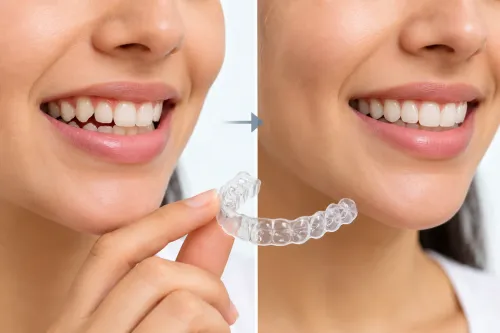
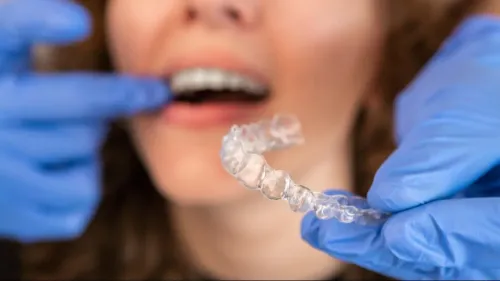
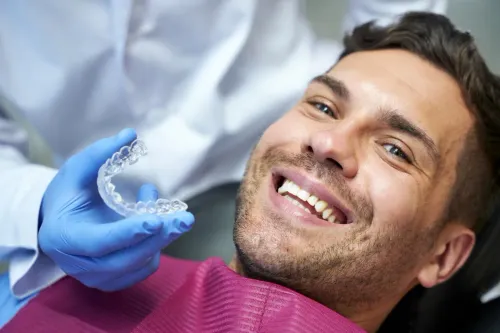
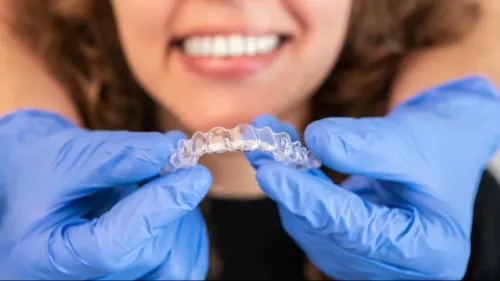
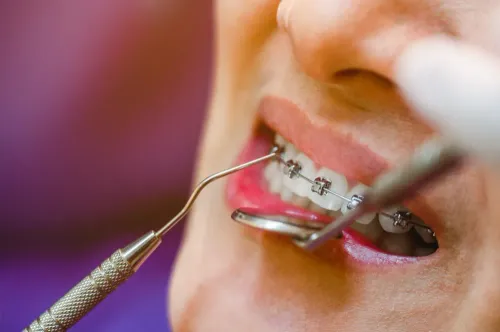
For suitable cases, clear aligners may gradually guide teeth toward planned positions. More complex bite problems can require a different orthodontic approach or additional procedures.
This is why two people with similar-looking smiles may receive different treatment recommendations.
Can Clear Aligners Correct Bite Problems?
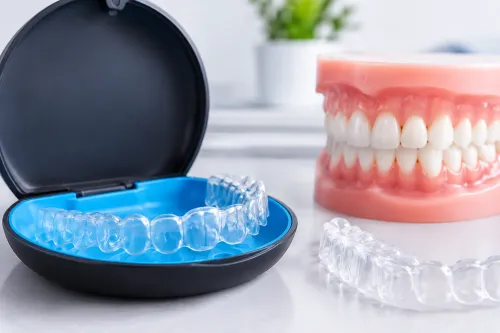
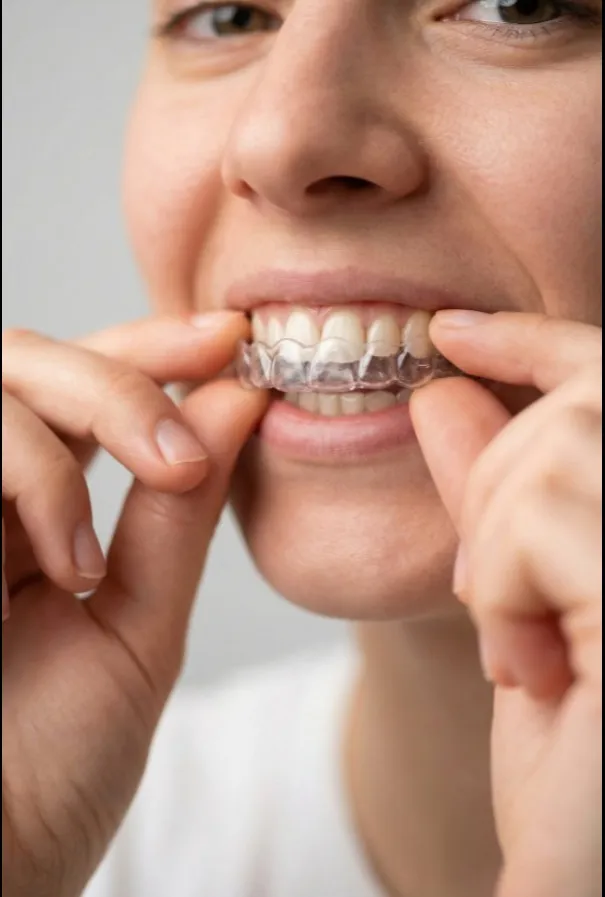
Clear aligners are increasingly used for selected orthodontic concerns. They apply controlled forces through a sequence of removable trays.
Depending on the diagnosis, aligner treatment may be considered for certain cases involving crowding, spacing, overbite, crossbite, or other tooth-position concerns.
However, clear aligners are not automatically suitable for every bite irregularity. Treatment suitability depends on factors such as tooth movement required, jaw relationship, oral health plus patient compliance.
Wearing aligners for the recommended daily duration is particularly important because inconsistent use can affect treatment progress.
Why Bite Correction Is More Than Cosmetic
People often begin orthodontic treatment because they want a straighter smile. Improving tooth alignment can also make certain areas easier to clean plus help create a more balanced biting relationship where clinically achievable.
Correcting a bite does not guarantee that every dental symptom will disappear. Gum disease, tooth decay, jaw-joint problems plus missing teeth may need separate evaluation.
For this reason, orthodontic planning should consider overall oral health rather than focusing only on appearance.
Adults plus families exploring orthodontic care in Thane can seek a detailed assessment before deciding on treatment. Oroshine Aligners and Implants evaluates tooth position plus bite relationships to determine whether aligners or another dental approach may be appropriate.
The most useful first step is understanding the exact type of bite concern. Once the diagnosis is clear, treatment choices, expected tooth movements, likely duration plus maintenance requirements can be discussed realistically.
Keywords