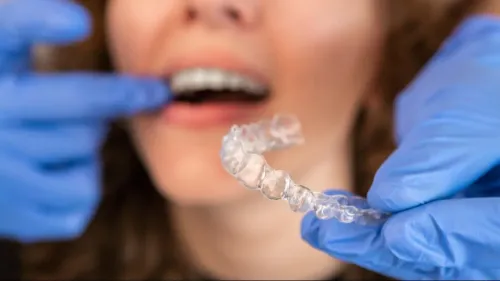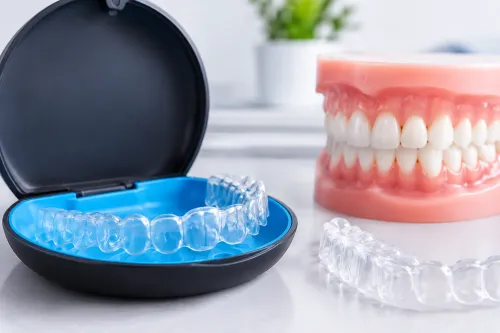


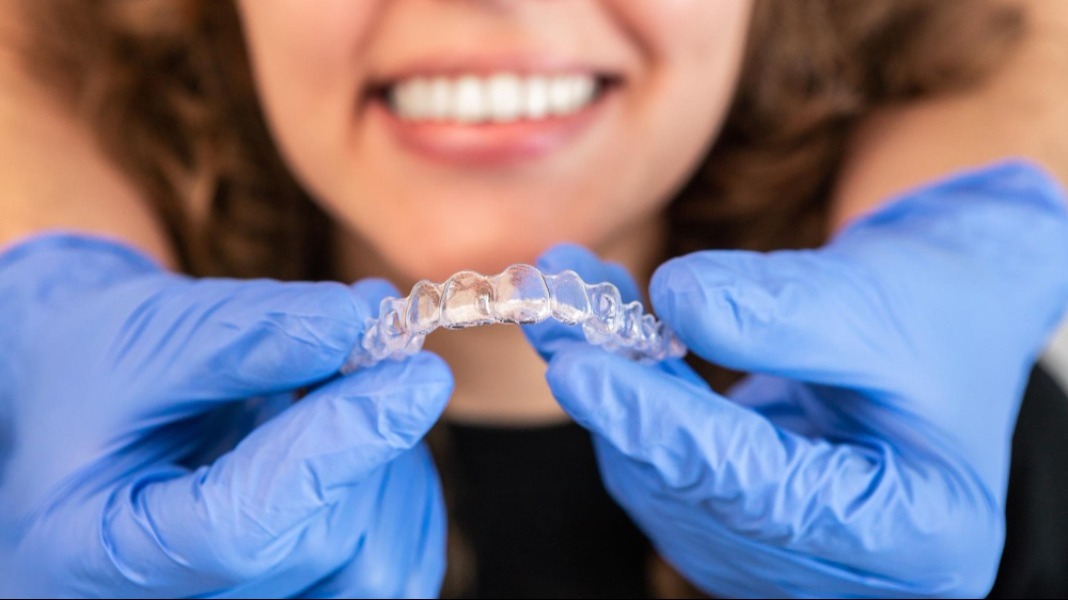
The phrase invisible braces is commonly used by people looking for a less noticeable way to straighten their teeth. In many searches, it refers to clear aligners transparent removable trays designed to move teeth progressively.
Their discreet appearance can be appealing, particularly to working professionals, college students plus image-conscious teenagers. Before choosing treatment, however, it is important to understand what invisible orthodontic care actually involves.
Visibility Is Only One Consideration
Traditional orthodontic appliances are visible because brackets plus wires remain attached to the teeth. Clear aligners are designed to be far less noticeable during everyday use.
Appearance may be the initial reason someone considers aligners, but treatment selection should also account for:
- Type of orthodontic problem
- Complexity of required tooth movement
- Gum health
- Existing restorations
- Patient age
- Daily wearing habits
- Expected treatment duration
An option that looks convenient may not necessarily be clinically appropriate for every person.
Removable Treatment Requires Discipline
One major difference with clear aligner therapy is removability.
Patients can generally take the trays out during meals plus while cleaning their teeth. This can make dietary routines easier because there are no fixed brackets trapping certain foods.
However, removability creates a compliance requirement.
If aligners are frequently left in their case rather than worn as prescribed, teeth may not track according to the treatment plan. The next tray can then become difficult to fit properly.
People considering invisible orthodontic treatment should therefore ask themselves whether they can follow a consistent daily wearing routine.
Will People Notice the Aligners?
Clear trays are designed to be discreet, but “invisible” should not be interpreted literally.
They may still be noticeable at close range. Some treatment plans also use small tooth-coloured attachments placed on selected teeth. These attachments help the aligners create specific movements.
Their number plus position depend on the treatment plan.
Temporary changes in speech may occur when a patient first begins wearing trays. Many people adapt as they become accustomed to the appliance.
Who May Be a Suitable Candidate?
Clear aligners can potentially help with several tooth-alignment concerns, including crowding, spacing plus selected bite irregularities.
Adults who previously avoided orthodontic care because of visible braces may find the discreet format attractive. Teenagers who are responsible enough to follow wear instructions may also be considered.
Suitability cannot be decided from age or appearance alone.
For example, a patient with significant gum problems may need periodontal care before orthodontic treatment. Someone with a complicated bite may need a different treatment strategy.
Questions Worth Asking at Your Consultation
Before committing to treatment, ask practical questions such as:
- What orthodontic problem has been diagnosed?
- Can aligners achieve the required movements?
- How long might treatment reasonably take?
- Will attachments be required?
- How often are progress reviews needed?
- What happens if an aligner is lost?
- Are retainers included in the treatment plan?
- What factors could extend treatment?
Clear answers make it easier to compare treatment plans based on clinical value rather than marketing language.
For patients exploring invisible braces in Thane, Maharashtra, a face-to-face assessment can establish whether clear aligners are suitable for the specific tooth plus bite condition. Oroshine Aligners and Implants provides orthodontic evaluation for people considering discreet teeth-straightening options.
The best invisible orthodontic treatment is not simply the least noticeable appliance. It is the approach that can safely address the diagnosed problem while fitting realistically into the patient's daily routine.