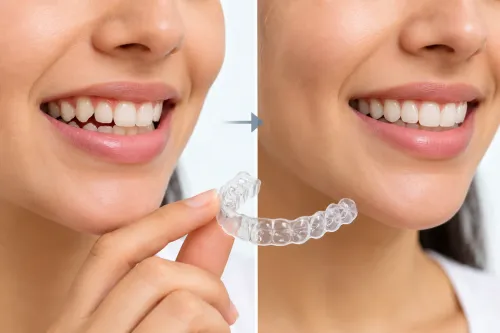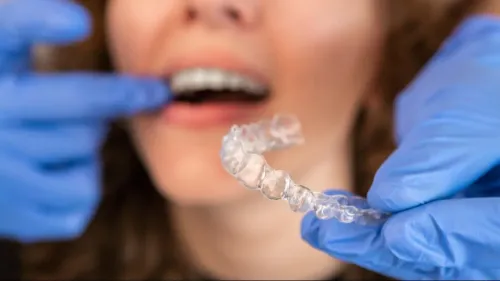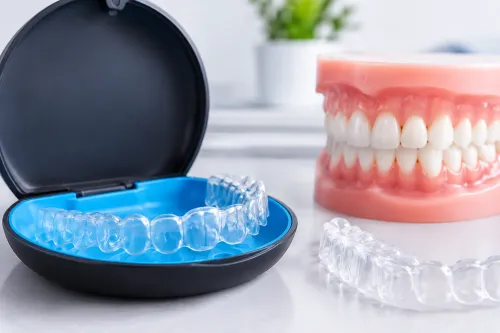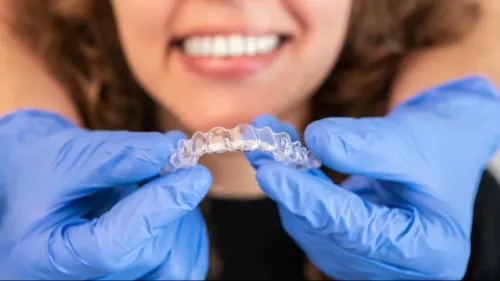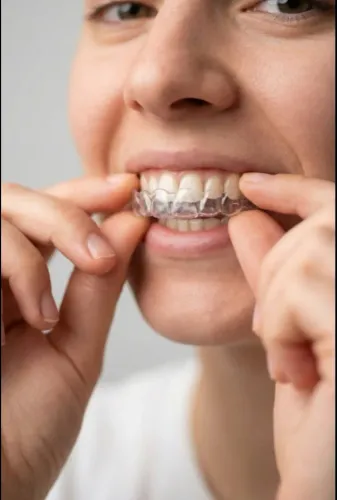
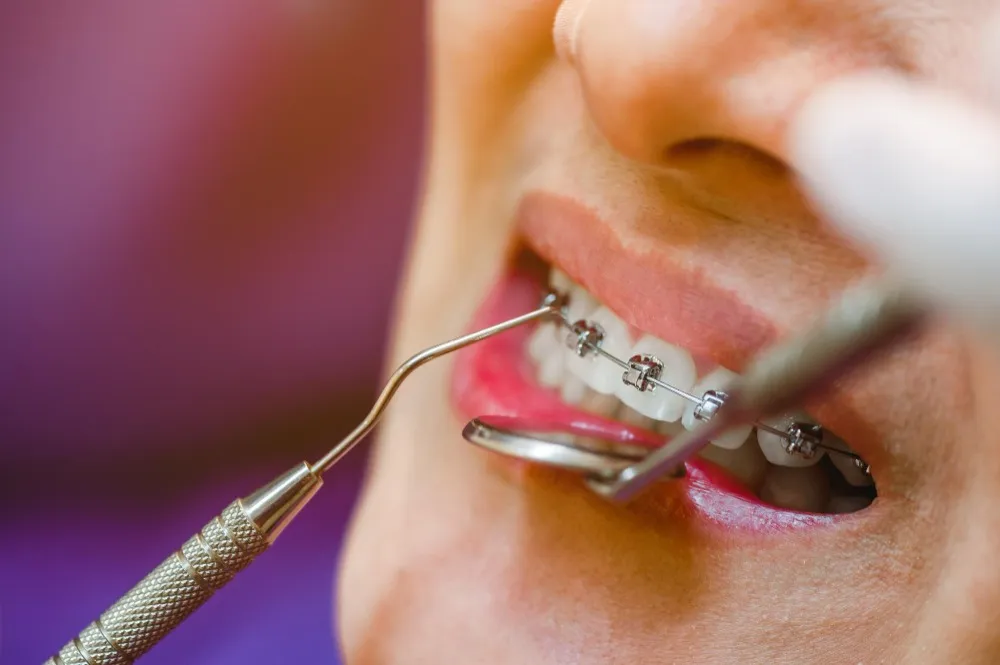
Clear aligners have changed how many people approach orthodontic treatment. Instead of using permanently attached brackets, aligner therapy typically uses a planned sequence of transparent removable trays to gradually reposition teeth.
Their discreet appearance attracts adults plus teenagers who want orthodontic correction without highly visible appliances. Yet successful aligner treatment involves much more than simply wearing transparent trays.
How Clear Aligners Move Teeth
Each aligner is designed to create controlled movement in selected teeth. Patients usually progress through a sequence of trays according to the schedule prescribed by their dental professional.
Rather than attempting to move teeth into their final positions immediately, treatment divides the correction into smaller planned stages.
Digital treatment planning may help the provider evaluate:
- Current tooth positions
- Crowding or spacing
- Bite relationship
- Required tooth movements
- Potential treatment sequence
- Areas requiring closer monitoring
The final treatment plan depends on clinical findings rather than software simulation alone.
What Happens Before Treatment Begins?
A proper orthodontic assessment is important before clear aligners are prescribed.
The dental professional checks the teeth, gums plus bite. Existing problems such as active decay or gum inflammation may need attention before orthodontic movement begins.
Digital scans or impressions are commonly used to capture the shape plus position of the teeth. Photographs plus radiographs may also form part of the diagnostic process.
Once the records are reviewed, the provider can determine whether clear aligners are appropriate for the particular case.
What Does Wearing Aligners Feel Like?
A new aligner may create temporary pressure because it is designed to encourage tooth movement. Mild tightness can occur when changing to the next tray.
The aligners are removable, which makes eating relatively straightforward because patients generally remove them during meals. They are also removed for regular brushing plus flossing.
The removable design comes with responsibility. Aligners need to be worn consistently for the prescribed daily duration. Frequently leaving them out can interfere with planned progress.
What Problems Can Clear Aligners Address?
Depending on case complexity, clear aligners may be considered for concerns such as:
- Mild to moderate crowding
- Gaps between teeth
- Certain overbite cases
- Selected crossbite concerns
- Rotated teeth
- Relapse after previous orthodontic treatment
- General smile alignment concerns
Not every orthodontic problem can be managed in exactly the same way. Significant skeletal discrepancies or complicated tooth movements may require alternative or combined treatment.
Everyday Care During Treatment
Good habits help keep aligner therapy comfortable plus hygienic.
Aligners should generally be removed before eating unless the treating professional gives different instructions. Teeth should be kept clean because food debris trapped beneath trays can increase oral hygiene concerns.
Patients should also clean the aligners using the method recommended by their provider. Very hot water should generally be avoided because excessive heat can distort some aligner materials.
Regular review appointments remain important even when the treatment feels straightforward. These visits allow the dental professional to check whether teeth are responding as expected.
What Happens After the Teeth Become Straight?
Orthodontic treatment does not necessarily finish when the final active aligner is completed.
Teeth naturally have a tendency to shift after orthodontic movement. Retainers are therefore commonly recommended to help maintain the corrected position.
The retention schedule depends on individual circumstances plus the treating professional's instructions.
People considering clear aligners in Thane, Maharashtra, should focus on diagnosis, treatment planning plus professional monitoring rather than choosing treatment based only on tray appearance. Oroshine Aligners and Implants can assess whether aligner therapy matches the patient's orthodontic needs.
Clear aligners can provide a discreet route to orthodontic correction for suitable candidates, but predictable treatment still depends heavily on appropriate case selection, consistent wear, oral hygiene plus professional follow-up.
Keywords