Many adults assume orthodontic treatment is mainly for school-age patients. In reality, adult teeth straightening can be considered at many stages of life when the teeth plus supporting tissues are suitable for treatment.
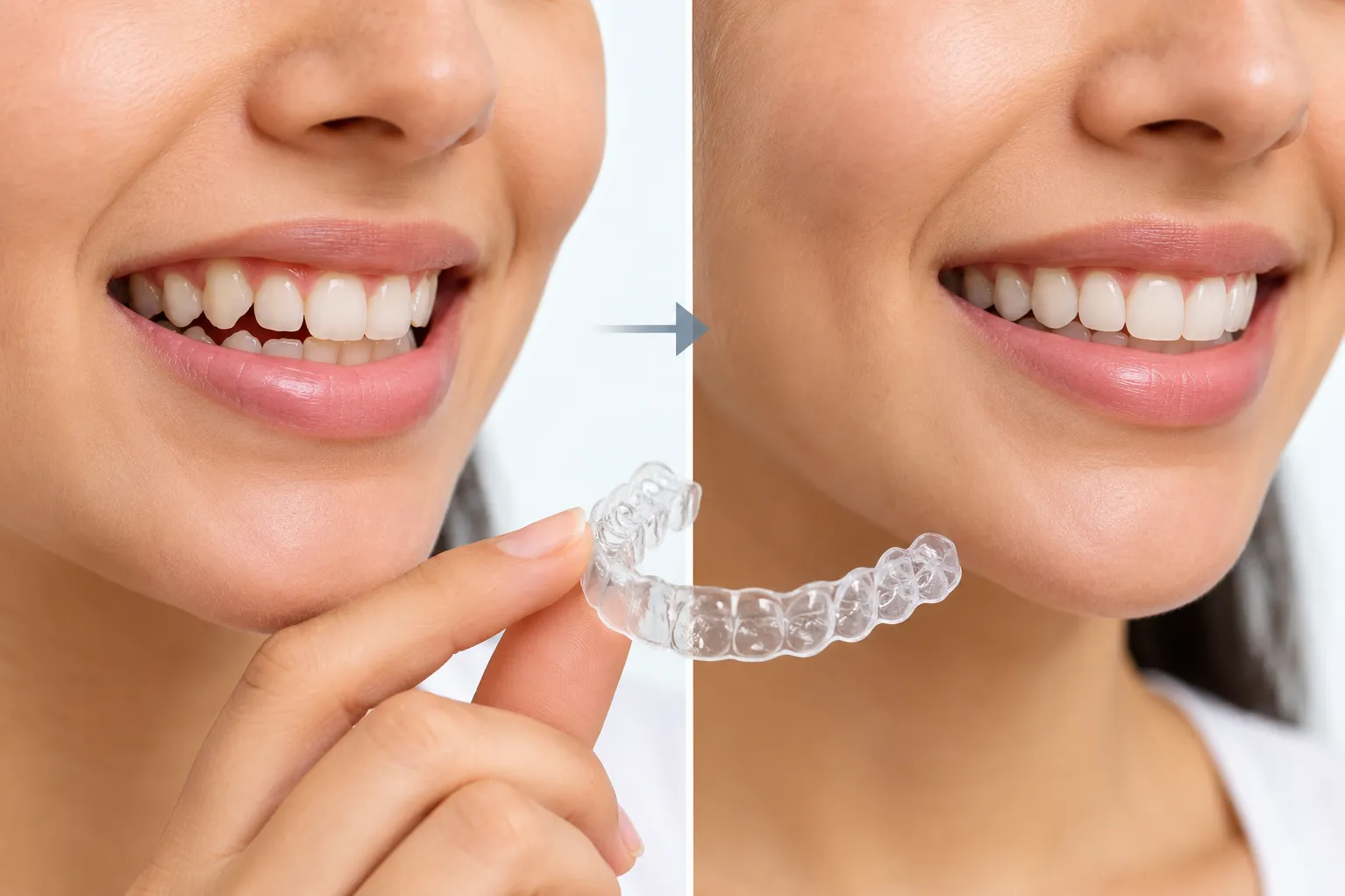
Clear aligners have particularly increased interest among professionals who want to improve tooth alignment without making orthodontic appliances a prominent part of their appearance.
Why Adults Consider Straightening Their Teeth
Some adults never received orthodontic treatment when they were younger. Others previously wore braces but noticed gradual tooth movement over time.
Common reasons for seeking treatment include:
- Crowded front teeth
- Spaces between teeth
- Teeth that have shifted after earlier treatment
- Crooked teeth visible while smiling
- Selected bite concerns
- Difficulty cleaning crowded areas
- Desire for improved smile alignment
Cosmetic motivation is completely understandable, but treatment planning should also consider bite function plus oral health.
Is There an Age Limit?
There is no single age at which orthodontic tooth movement automatically becomes impossible.
What matters more is the condition of the teeth, gums, bone plus overall dental health.
Adults may have existing crowns, bridges, implants, missing teeth or a history of gum disease. These factors do not necessarily rule out orthodontic care, but they can influence treatment planning.
A thorough dental assessment is therefore especially important.
Why Clear Aligners Appeal to Professionals
For someone working in a client-facing role, appearance during treatment may be a major consideration.
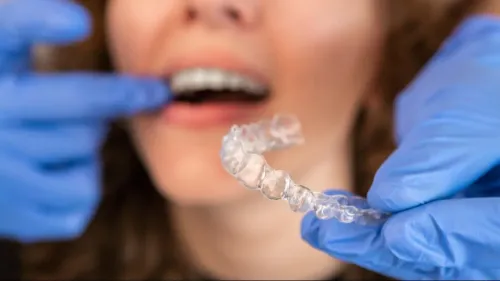
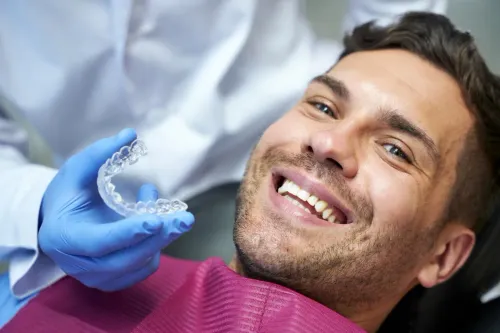
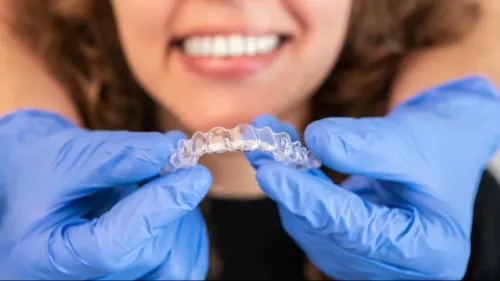
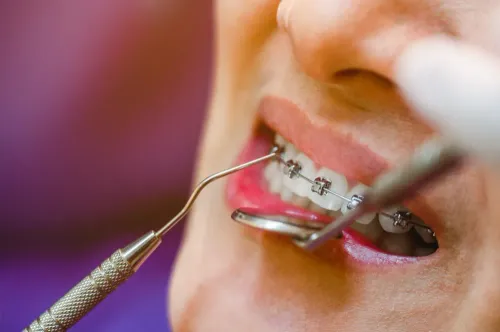
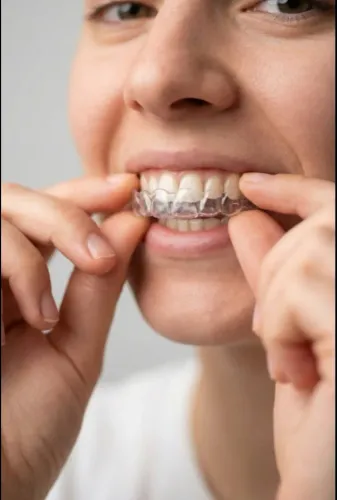
Clear aligners are transparent plus removable. They can therefore be less noticeable than conventional fixed appliances during meetings, presentations, interviews plus social occasions.
They can also be removed for meals, which may make professional lunches easier to manage.
However, removing them too frequently can reduce effective wearing time. A busy schedule is not a reason to leave aligners out for extended periods.
Building Treatment Into a Workday
Successful aligner treatment becomes easier when it forms part of a routine.
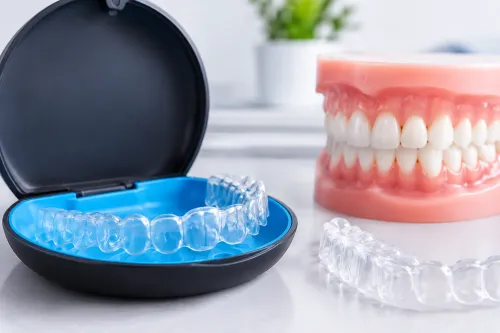
A practical workday might involve removing aligners immediately before meals, storing them safely in their case, cleaning the teeth after eating when possible, then replacing the trays promptly.
Keeping an aligner case readily available can reduce the chance of wrapping trays in tissue plus accidentally discarding them.
Good planning is particularly useful for people who travel frequently for work.
Existing Dental Work Needs Consideration
Adults often have more dental history than teenagers.
Fillings, crowns, missing teeth plus implants can affect orthodontic planning. Dental implants, for example, do not move like natural teeth, so their position needs to be considered carefully when planning surrounding tooth movement.
Periodontal health also deserves attention because orthodontic forces act through the tissues supporting the teeth.
How Long Does Treatment Take?
There is no universal duration for adult orthodontic treatment.
A small alignment concern can require a different timeline from substantial crowding or bite correction. Treatment length is influenced by complexity, biological response plus how consistently the aligners are worn.
Patients should therefore be cautious about guaranteed timelines offered before a complete assessment.
Retention Is Particularly Important
Once teeth reach their planned positions, they still have the potential to move.
Retainers are commonly recommended after active treatment. Adults who previously experienced orthodontic relapse may already understand why this stage matters.
Retention should be viewed as part of maintaining the result rather than an optional extra.
Working professionals considering adult teeth straightening in Thane, Maharashtra, can benefit from discussing their daily routine alongside their orthodontic goals. Oroshine Aligners and Implants can evaluate tooth position, bite plus existing dental work before recommending an appropriate treatment approach.
Adult orthodontic treatment does not need to revolve around age. The more useful questions concern dental health, treatment suitability, lifestyle compatibility plus willingness to follow the prescribed plan consistently.
Keywords